
Quick Answer: “Fantasy sports but for fitness” describes an app that borrows the structure of fantasy sports, a season, a league, weekly matchups, and standings, and applies it to your own training instead of a roster of real athletes. Most apps using this pitch actually deliver something simpler: points for habits, or a 1-on-1 duel. This post breaks down what the concept really means, where most fantasy fitness apps fall short of it, and how a season-long league structure changes the way training feels.
If you’ve ever built a fantasy football roster, you already understand the appeal before anyone explains it to you: a season with real structure, a league full of people you’re measured against, and standings that mean something every single week. Fantasy sports is a nine-billion-dollar category in the U.S. alone, with tens of millions of people paying for tools, rankings, and premium advice just to manage a roster of players they don’t personally control. The obvious question is why fitness apps haven’t fully borrowed that structure, since your training data is real, immediate, and entirely under your own control.
What Does “Fantasy Sports for Fitness” Actually Mean?
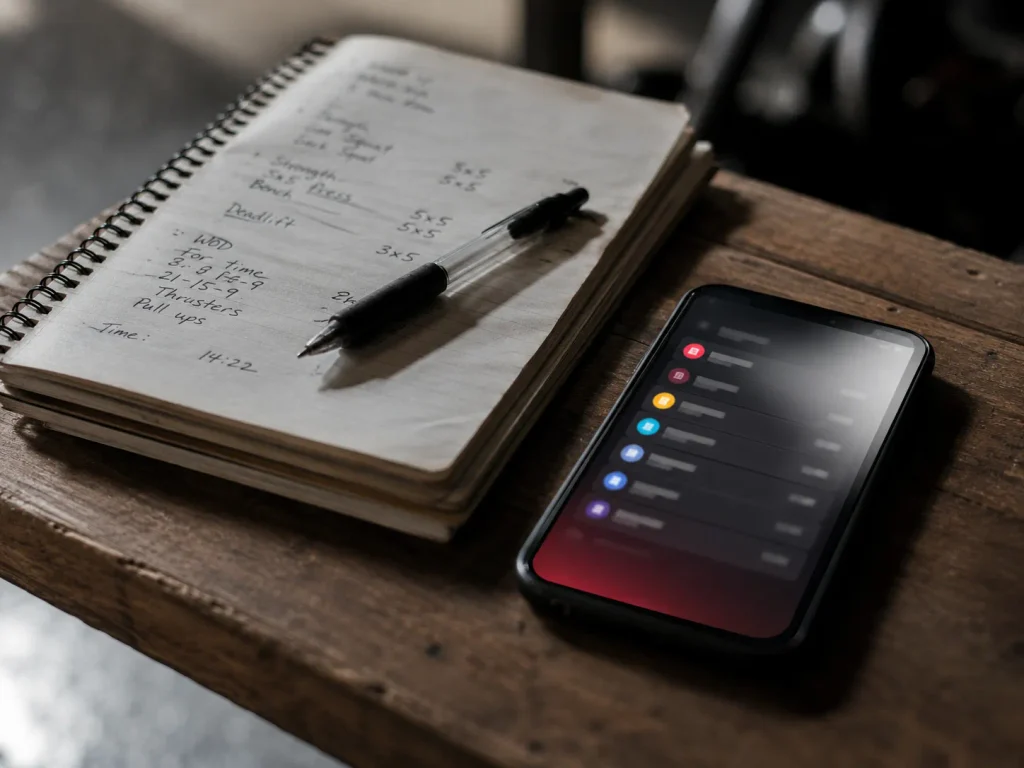
At its core, fantasy sports isn’t really about football or basketball, it’s about a specific structure: you join a league, you’re scored on a defined set of stats, you have a schedule of matchups, and standings update on a predictable cadence until the season ends in playoffs. “Fantasy sports but for fitness” means applying that same structure, a league, a scoring system, a schedule, and standings, to actual physical training instead of a roster of professional athletes.
The key difference from real fantasy sports is who’s generating the stats. In football, you draft other people and hope they perform. In a fitness version, you are the roster. Your lifts, your runs, your nutrition, that’s the stat line, and the league structure exists to make your own consistency visible the way a fantasy standings page makes a general manager’s decisions visible.
How Is This Different From an Actual Fantasy Sports App?

A handful of things carry over cleanly from real fantasy sports, and a few don’t. What carries over: a season-length structure instead of an open-ended point tally, a defined group you’re measured against instead of a vague global pool, a predictable cadence for standings to update, and some kind of promotion or ranking system so the season has stakes beyond week one.
What doesn’t carry over, and shouldn’t: drafting other people. In real fantasy sports, your success depends on players you don’t control. A fitness version that actually works flips that, your success depends entirely on you, which is arguably a more honest version of “fantasy sports” than the original, since nothing about your standing depends on someone else’s performance.
What Do Most “Fantasy Fitness” Apps Get Wrong?

Search for this concept and you’ll mostly find two patterns, neither of which is really fantasy sports. The first is a points-for-habits app: log a workout, log some water, log a meal, earn points, invite friends to do the same. That’s a habit tracker with a leaderboard bolted on, not a league with a season structure.
The second pattern is a head-to-head duel app, matching you against one opponent at a time using an ELO-style rating, similar to competitive gaming matchmaking. That’s closer to the fantasy sports feel in terms of stakes, but it’s missing the league piece entirely, there’s no season, no standings beyond your win-loss record, and no sense of climbing through a structured tier the way a fantasy league climbs toward playoffs.
Neither pattern delivers the actual thing sports fans are drawn to: a full season, a real league, and standings that build toward something.
How Does Rival Fit Bring That Structure to Real Training?

Rival Fit’s structure maps onto the fantasy sports format more directly than either pattern above, using the same three-step loop for how the whole system works:
1. Join Your State League. Signup places you in your state’s pool, starting in Tier C, the equivalent of joining a league with a defined group of competitors.
2. Earn Unified XP. One combined score across lifting, running, and nutrition, the equivalent of your weekly stat line.
3. Climb the Ranks. A weekly Monday reset functions like a matchup cadence, standings update on a fixed schedule, and consistent XP moves you up toward Tier A.
The Monday reset is what makes this feel like a season instead of an open-ended point total. Fantasy football matters partly because every week resets the stakes, last week’s win doesn’t carry your team through this week. Rival Fit’s Unified XP System works the same way: this week’s training is what moves you, not a total that just keeps padding upward forever.
| Points-for-Habits App | Head-to-Head Duel App | Rival Fit | |
| Season structure | No, open-ended tally | Loosely, ongoing win-loss record | Yes, weekly Monday reset cadence |
| Defined league | Rarely, usually just friends you invite | One opponent at a time | Your state pool, organized by tier |
| Standings that build toward something | No real ranking system | Win-loss record only | Tier C to Tier A progression |
| What’s being scored | Isolated habits, tracked separately | A single head-to-head metric | One combined score across training and nutrition |
Frequently Asked Questions
Do I draft other people in a fantasy sports fitness app?
No, and that’s intentional in a well-built version of the concept. You are the roster. Your training is the stat line the league scores, not a group of athletes you’re betting on.
What makes an app feel like fantasy sports instead of just a fitness tracker with a leaderboard?
A defined league, a predictable schedule for standings to update, and a ranking system with real stakes, not just an open-ended points total that only ever climbs.
Is a 1-on-1 fitness duel app the same thing as fantasy fitness?
It’s closer than a plain habit tracker, since it borrows a ranking system, but it’s missing the league and season structure that makes fantasy sports feel like fantasy sports in the first place.
Do I need to already be into fantasy sports to get this kind of app?
No. The appeal, a structured season, real stakes, and standings that matter, works for anyone who likes measurable progress, whether or not they’ve ever drafted a fantasy roster.
The Bottom Line
“Fantasy sports but for fitness” isn’t really about football or points, it’s about structure: a league, a schedule, and standings that build toward something instead of a flat, endless tally. Most apps using the pitch deliver a habit tracker or a 1-on-1 duel instead.
Rival Fit’s State League System is built around that actual structure, a real state-based league, Unified XP as the stat line, and a Monday reset that keeps every week’s standings meaningful. Claim your spot and join your first season.