
Quick Answer: A good low-impact workout tracker logs the gentle activity you actually do (walking, light strength, water or chair-based routines), rewards showing up rather than how hard you push, and compares you with your own past instead of with athletes. The evidence leans that way: in a meta-analysis of 15 studies, adults 60 and older saw mortality risk fall as daily steps rose, leveling off around 6,000 to 8,000 steps. Rival Fit’s ghost rank and Monday reset fit this idea, but its site doesn’t say how Unified XP weighs different activities or whether walking is tracked, so check before relying on it for a walking routine.
Most workout trackers are built around intensity: pace, heart-rate zones, personal records, calories burned. If your routine is a daily walk, a chair-based class, water aerobics, or light strength work, those numbers can make real effort look like nothing. The app isn’t wrong about your pace. It’s measuring the wrong thing.
This post covers what counts as low-impact exercise, what the research says about consistency versus intensity, what to look for in a tracker, and an honest look at where Rival Fit fits and where its published details run out.
What Counts as Low-Impact Exercise?
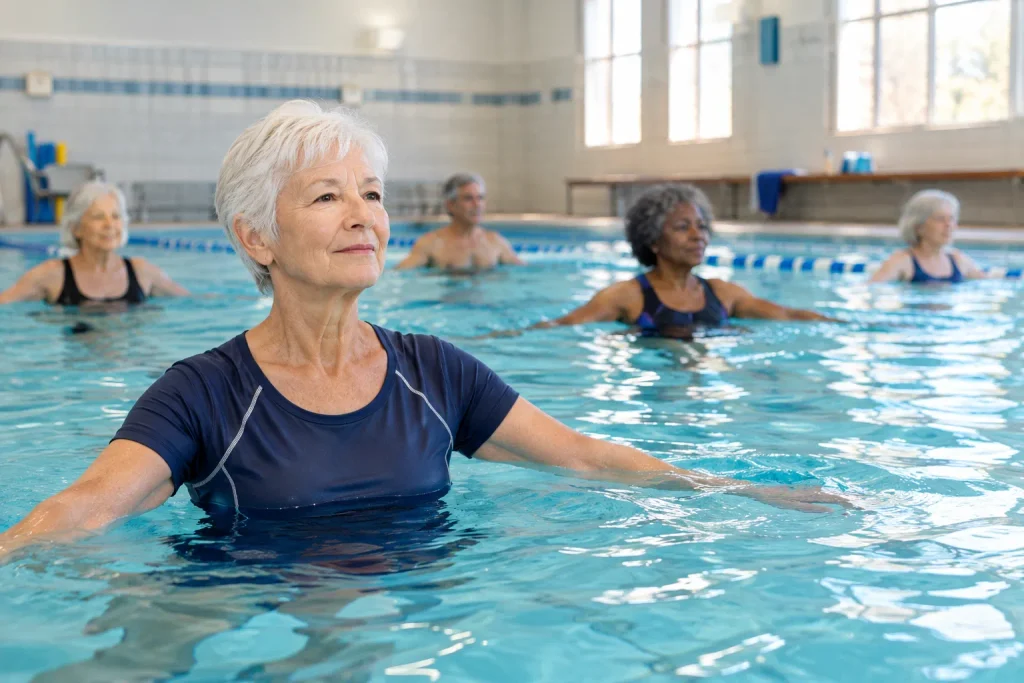
Low-impact exercise generally means movement that puts less stress on your joints: walking, swimming and water aerobics, cycling, chair-based routines, tai chi, and resistance-band work. Low-impact doesn’t mean low-value. The U.S. Department of Health and Human Services’ Physical Activity Guidelines for Americans are built on the idea that some physical activity is better than none, and brisk walking or water aerobics counts toward the weekly aerobic target the same way a run would.
Does Intensity Matter More Than Consistency?
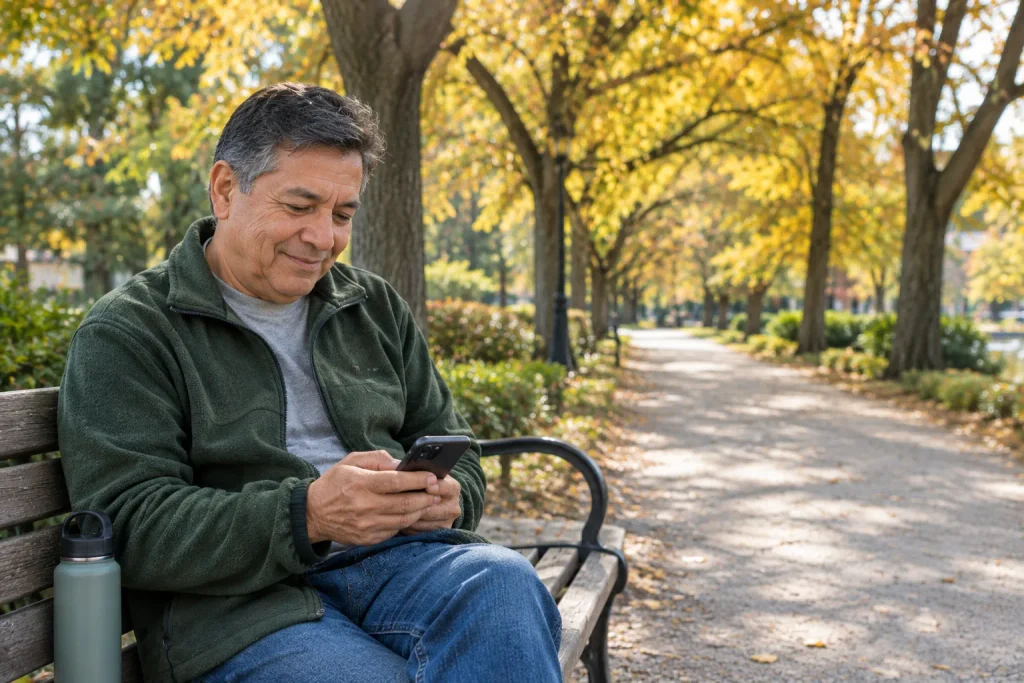
For total movement, the evidence points toward volume over speed. A meta-analysis of 15 international studies covering more than 47,000 adults found that among people 60 and older, risk of death fell as daily steps increased until about 6,000 to 8,000 steps, after which the benefit leveled off. The lead researcher noted that walking speed showed no definitive association beyond total step count.
Three caveats. These are observational studies, so they show an association, not proof that steps cause the benefit. People who are already unwell may walk less, which can inflate the effect. And steps cover only part of the picture: the same HHS guidelines call for muscle-strengthening on at least two days a week and balance work, which a step counter can’t see. Treat 6,000 to 8,000 as a population pattern, not a personal target. Your doctor can tell you what suits you.
What Should a Low-Impact Workout Tracker Do?

1. Log what you actually do. Walking, strength sessions, swimming, chair routines. If the app only understands runs and barbell lifts, your week looks empty.
2. Reward total movement and showing up. A score built on pace or personal records leaves out most low-impact work.
3. Compare you with yourself by default. Ranking a 70-year-old walker against a 25-year-old sprinter isn’t motivating. It’s a reminder of a gap that was never the point.
4. Keep screens simple and readable. Large text, few taps, and nothing that needs a tutorial.
5. Let you record how it felt. A notes field for effort and how your body responded is more useful than another chart.
6. Forgive a missed day. Weekly goals survive a sick day or a grandchild’s visit. Strict daily streaks often don’t.
Here’s how the main tracker types compare on those points:
| Tracker Type | Where It Helps | What to Check |
| Phone’s built-in health app | Counts steps automatically, free | No strength log, no motivation layer |
| Step-counting apps | Simple daily goal | Walking only, so strength work goes unrecorded |
| Guided class apps (such as SilverSneakers GO) | Seated and low-impact routines to follow | Whether it keeps a personal history you can review |
| Gamified trackers | Ranking, streaks, weekly resets for motivation | What the score actually rewards: pace and PRs, or consistency |
Why Do Intensity-Based Scores Leave Low-Impact Users Behind?
When a score is built on pace, power, or personal records, the people doing gentle, steady work can’t climb. Our piece on fitness leaderboard psychology covers why a flat ranking tends to discourage everyone except the people at the top, and why self-comparison works better for most users.
A fairer design measures consistency against your own baseline and resets on a schedule, so one low week doesn’t sink you. That’s the logic behind why workout streaks work when they’re built around weeks instead of unbroken days.
How Does Rival Fit Measure Up for Low-Impact Tracking?
Here’s what the site confirms. The free Free Agent tier ($0 per month) includes Unified XP, Prestige progression, ghost rank, a workout journal, and GPS run tracking. Ghost rank compares you with your own past performance. The Monday reset re-evaluates your standing each week instead of rewarding a single big session months ago. The Workout Journal logs sets, supersets, PRs, and timed work with notes, so a gentle strength session or a timed routine can be recorded along with how it felt. Nutrition goals feed the same score, as explained in our XP system guide.
Here’s what it doesn’t say. The site lists lifting, running, and nutrition as the inputs to Unified XP and doesn’t publish how those activities are weighted, so there’s no basis for saying low-impact effort earns the same XP as an intense session. The Runner Log is described as GPS tracking with pace and splits, and the site doesn’t say whether walks are tracked or earn XP. There’s no seated or balance routine library, no dedicated effort-rating field (you’d use the notes), and the app is still in beta with waitlist access.
If a daily walk is the core of your routine, ask support at support@getrivalfit.com how walks are handled before you count on it, or check once your state’s beta opens.
How Can You Set Up a Simple Low-Impact Routine to Track?
1. Pick one movement measure. Daily steps or minutes walked, whichever your phone already records.
2. Add a strength log. Note exercise, weight, sets, and reps for at least two sessions a week, with a line on how it felt.
3. Review the weekly trend. Look at the week, not the single day. A flat or rising trend is the goal.
Talk to your doctor before starting or changing an exercise routine, especially with a heart condition, joint problems, or if you’ve been inactive for a while.
Frequently Asked Questions
What’s the best way to track low-impact exercise?
Use a tracker that logs the activities you actually do, rewards consistency, and shows your own trend. A phone step counter plus a simple strength log covers most people. A gamified app adds motivation if its score doesn’t depend only on pace.
How many steps should someone over 60 aim for?
In one large meta-analysis, risk of death among adults 60 and older fell with more daily steps until about 6,000 to 8,000, then leveled off. That’s an association across populations, not a personal target. Ask your doctor what’s right for you.
Does walking count as exercise?
Yes. Brisk walking counts as moderate-intensity aerobic activity under the HHS guidelines. Whether a given app credits it is a separate question, so check how your tracker handles walks.
Do I need a smartwatch to track low-impact workouts?
No. Most phones count steps, and a notebook or notes field handles strength sessions. A watch adds convenience, not necessity.
Does Rival Fit track walking?
Its site doesn’t say. It describes GPS run tracking with pace and splits, and a workout journal that logs sets and timed work. Contact support or check the app once beta opens to confirm how walks are recorded.
The Bottom Line
The best low-impact workout tracker is the one that sees what you actually do, measures you against your own past, and doesn’t penalize a quiet week. Research on steps supports valuing consistent movement over speed, with the caveats above. Rival Fit’s ghost rank and Monday reset are built around that idea, but its published details don’t yet confirm how walking or other gentle activity is scored, so verify before you rely on it.
Want to track your training against your own past self? Claim your spot and start with Free Agent when your state’s beta opens.